
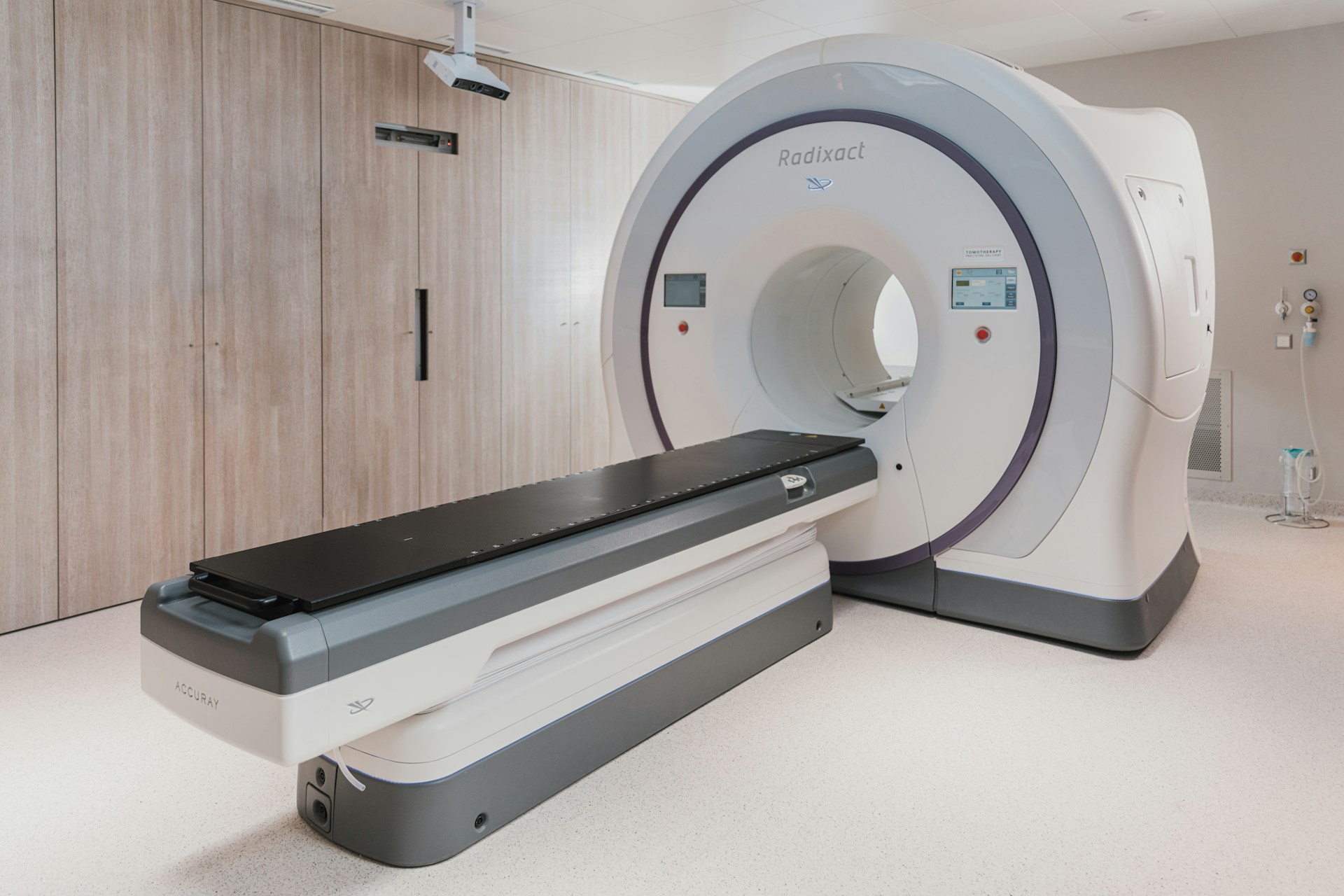
Study Advocates Universal Low-Dose CT Screening to Detect Lung & Heart Conditions Earlier.
A new study from Northwestern Medicine highlights significant limitations in current lung cancer screening guidelines and calls for broader use of low-dose computed tomography (LDCT) scans to detect lung cancer and related conditions earlier. In an analysis of nearly 1,000 consecutive patients treated for lung cancer, researchers found that only 35 percent would have qualified for screening under existing criteria from the U.S. Preventive Services Task Force, which focuses on older adults with a heavy smoking history. Two-thirds of cases, disproportionately affecting women and never-smokers, would have been excluded under those recommendations.
Published in JAMA Network Open, the study’s authors recommend expanding screening eligibility to a universal age-based approach for adults aged 40–85, estimating this change could detect up to 94 percent of lung cancers and prevent more than 26,000 additional deaths annually. The researchers emphasize that a low-dose CT scan of the chest can also help identify heart and bone conditions, offering a more comprehensive view of a patient’s health with minimal radiation exposure.
Northwestern News
In response to these findings, Northwestern Medicine recently launched a dedicated Lung Health Center to facilitate earlier detection through expanded screening and research efforts, particularly for patients who may not meet current high-risk criteria. Experts say broader access to LDCT screening, coupled with education and preventive care, could improve outcomes and reduce mortality for some of the deadliest diseases that often remain undiagnosed until advanced stages